Impact Report 2025
Investigative Reporting Program



Investigative Reporting Program: a classroom that's a newsroom
Investigative journalism, at its best, enlarges the universe of verified truth and, in doing so, fortifies democracy by giving people the knowledge to govern. At UC Berkeley Journalism's Investigative Reporting Program, we make that mission real. Here, people from every walk of life — armed with persistence, curiosity and integrity — learn to ask the questions that powerful institutions would prefer remain unspoken. They leave with the craft, courage and conviction to keep asking them.
In 2025, our stories helped reshape laws. Our students earned the field’s highest honors. Our databases became civic infrastructure for communities demanding accountability. And our graduates carried the spirit of Berkeley into countless corners of American journalism, from CNN and NPR to the San Francisco Chronicle.

Change
This year, two investigations developed at the IRP changed California law. Brian Howey's ('22) “We Regret to Inform You,” published by the Los Angeles Times and Reveal, uncovered a deceptive practice by which police mined grieving family members for information before telling them their loved one had been killed by law enforcement. The story prompted Assembly Bill 572, signed by Governor Gavin Newsom, which now restricts this practice and enshrines the rights of families in the aftermath of police killings.
Katey Rusch ('20) and Casey Smith’s ('20) “Right to Remain Secret,” published by the San Francisco Chronicle, revealed the hidden world of “clean-record” agreements that allowed officers with misconduct histories to move from department to department unimpeded. Their investigation led to Assembly Bill 1388, banning such agreements statewide.
Accountability
The Police Records Access Project began with a midnight click. On New Year’s Eve in 2019, UC Berkeley Journalism student Susie Neilson sent more than 400 public-records requests to police agencies statewide — the first effort to unlock a trove of once-secret misconduct files after California passed its transparency law, S.B. 1421.
What started as an ad hoc collaboration between California newsrooms and journalism students has become the nation’s largest public database on police use of force and misconduct. Built by the Investigative Reporting Program, the Berkeley Institute for Data Science and Stanford’s Big Local News, it now holds 1.5 million pages from nearly 500 agencies, organized into over 12,000 cases. This database makes these records searchable for the first time.
The project joined the tenacity of journalists with the precision of data science. Teams led by UC Berkeley professor Aditya Parameswaran and Stanford’s Cheryl Phillips used generative AI, guided by human review, to extract key details from documents organized with few if any standard formats. “Here we have an amazing example of how generative AI, with humans in the loop, can be used for good, at a scale that’s unprecedented,” Parameswaran said.
The coalition behind the project included the ACLU of Southern California, the Innocence Project and UC Irvine’s Press Freedom Project, and it was supported by state funding secured by Sen. Nancy Skinner (D-Berkeley), the legislator behind S.B. 1421, which opened these records to the public.
The database is now live and available to the public at KQED, CalMatters, the San Francisco Chronicle and the Los Angeles Times.
Human Trafficking
IRP Managing Editor Bernice Yeung’s reporting pierced the fog of official rhetoric around human trafficking. Working with collaborators, Yeung’s reporting for The Guardian revealed how the Trump administration has aggressively dismantled anti-trafficking efforts, which threaten to undo decades of progress in combating sexual slavery and forced labor. The work was followed by legislative action aimed at increasing congressional oversight of the government’s efforts to fight human trafficking.
Aging
Through the "Aging in America" project, the IRP hires nearly a dozen student reporters to write about issues facing older adults, including a story about gerontological nurse practitioners that was published in The Washington Post. Since then, our interns have published stories in the Des Moines Register and on CNN, KQED and the NPR show "Philosophy Talking." Current "Aging in America" interns are working on stories about intergenerational housing in Asheville, North Carolina, a retreat for caregivers in Montana and the importance of family councils at long-term-care facilities.

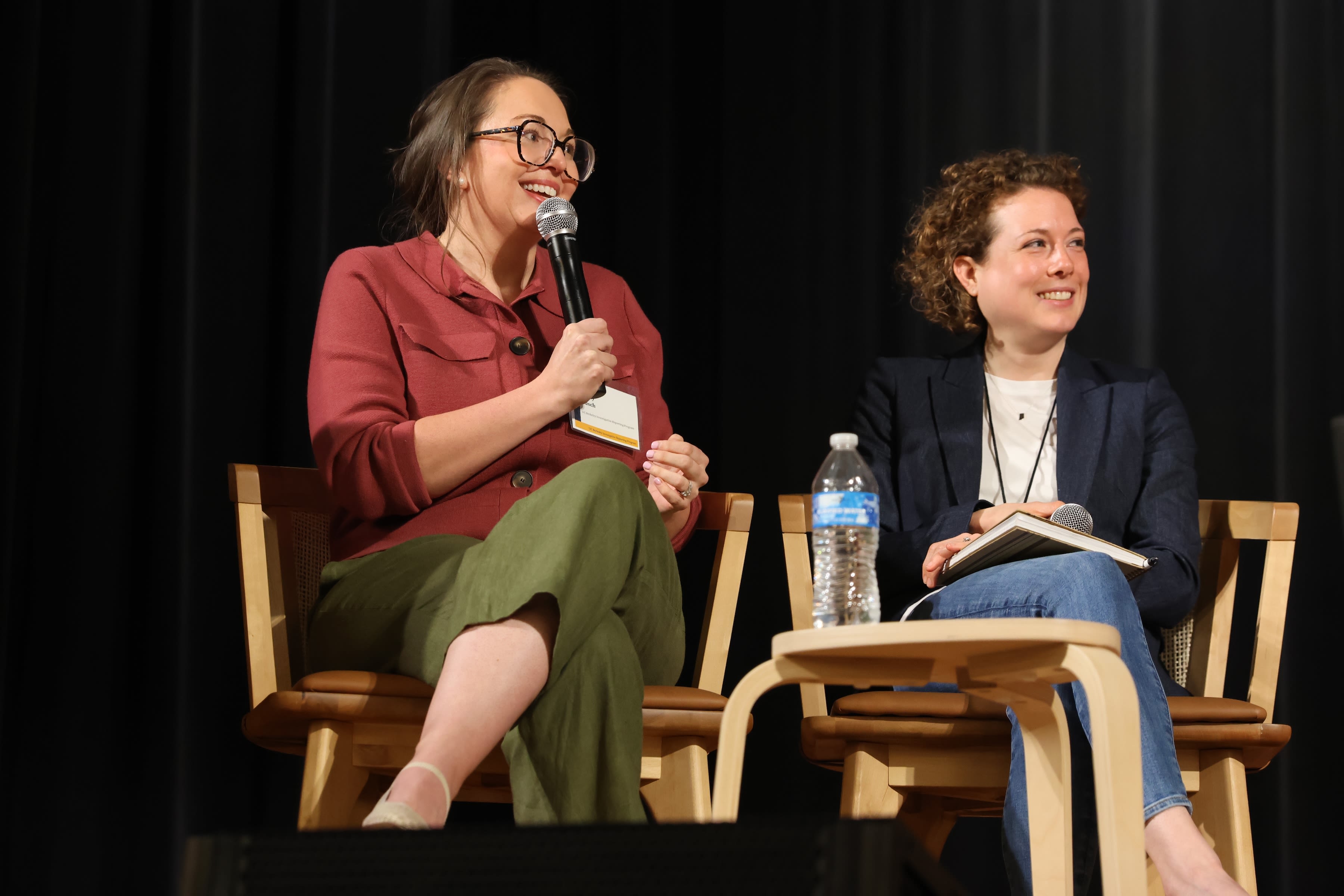
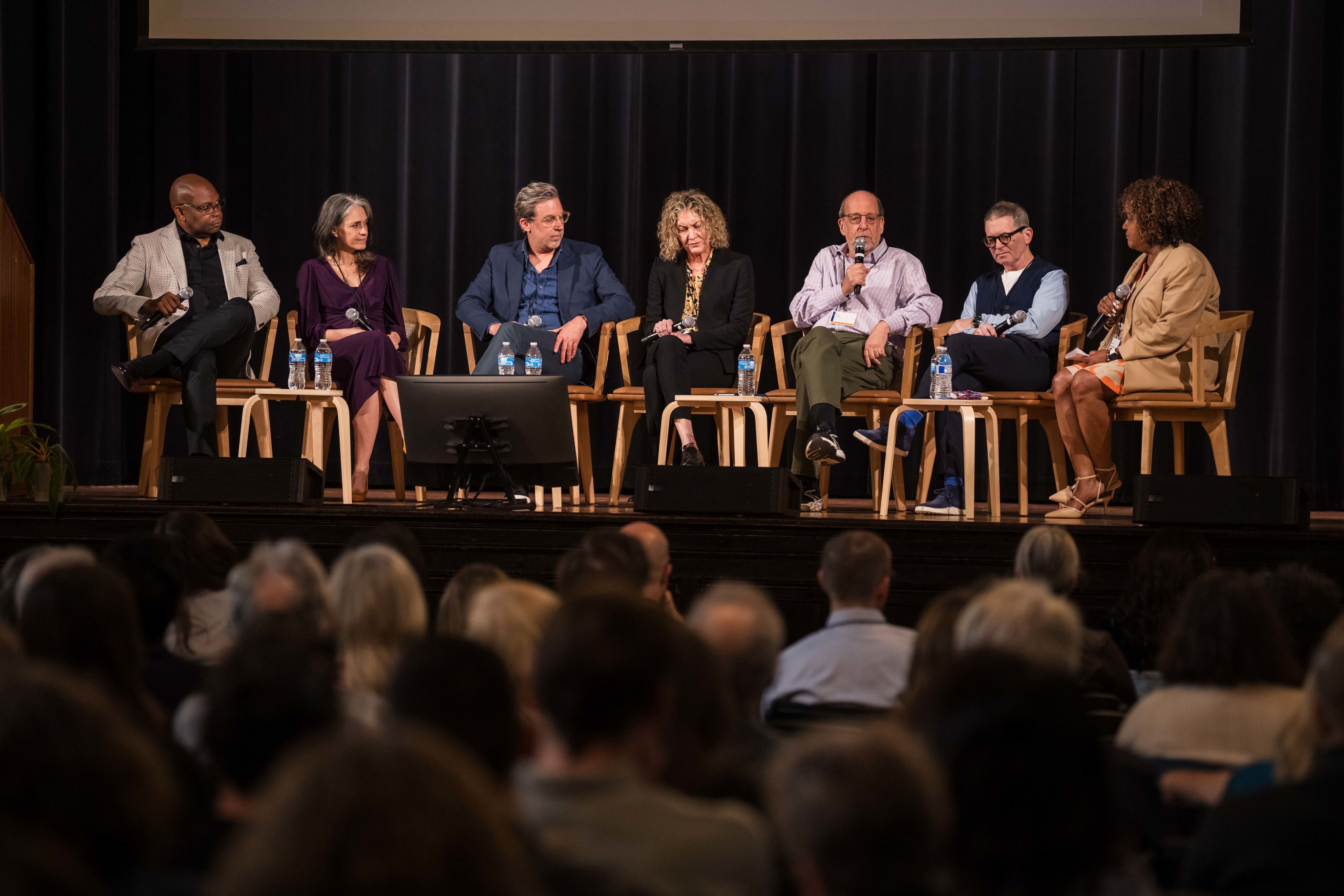
Katie Rusch and Casey Smith speak at the Logan Symposium.
Katie Rusch and Casey Smith speak at the Logan Symposium.

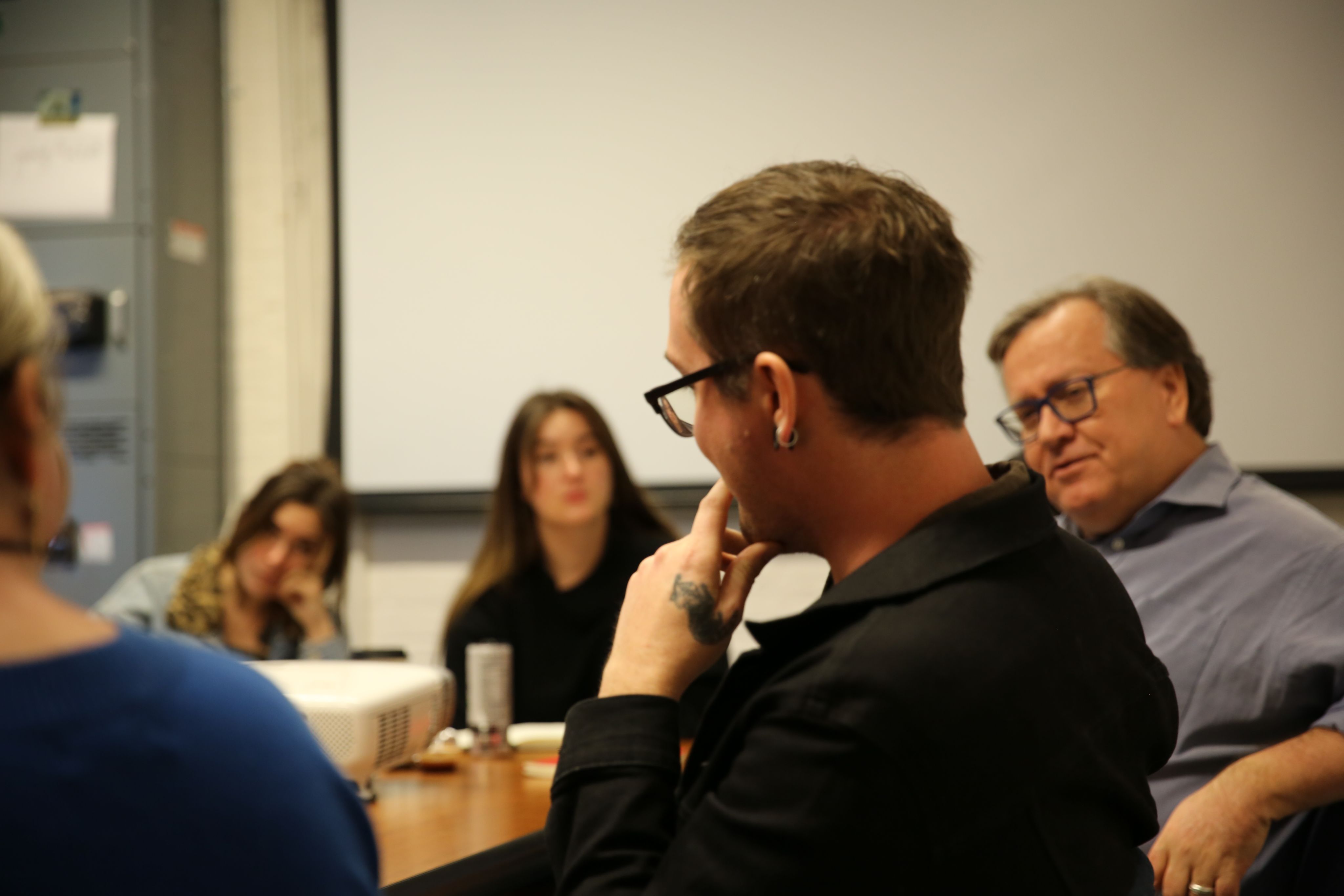
Brian Howey talks with IRP students as Professor David Barstow looks on.
Brian Howey talks with IRP students as Professor David Barstow looks on.

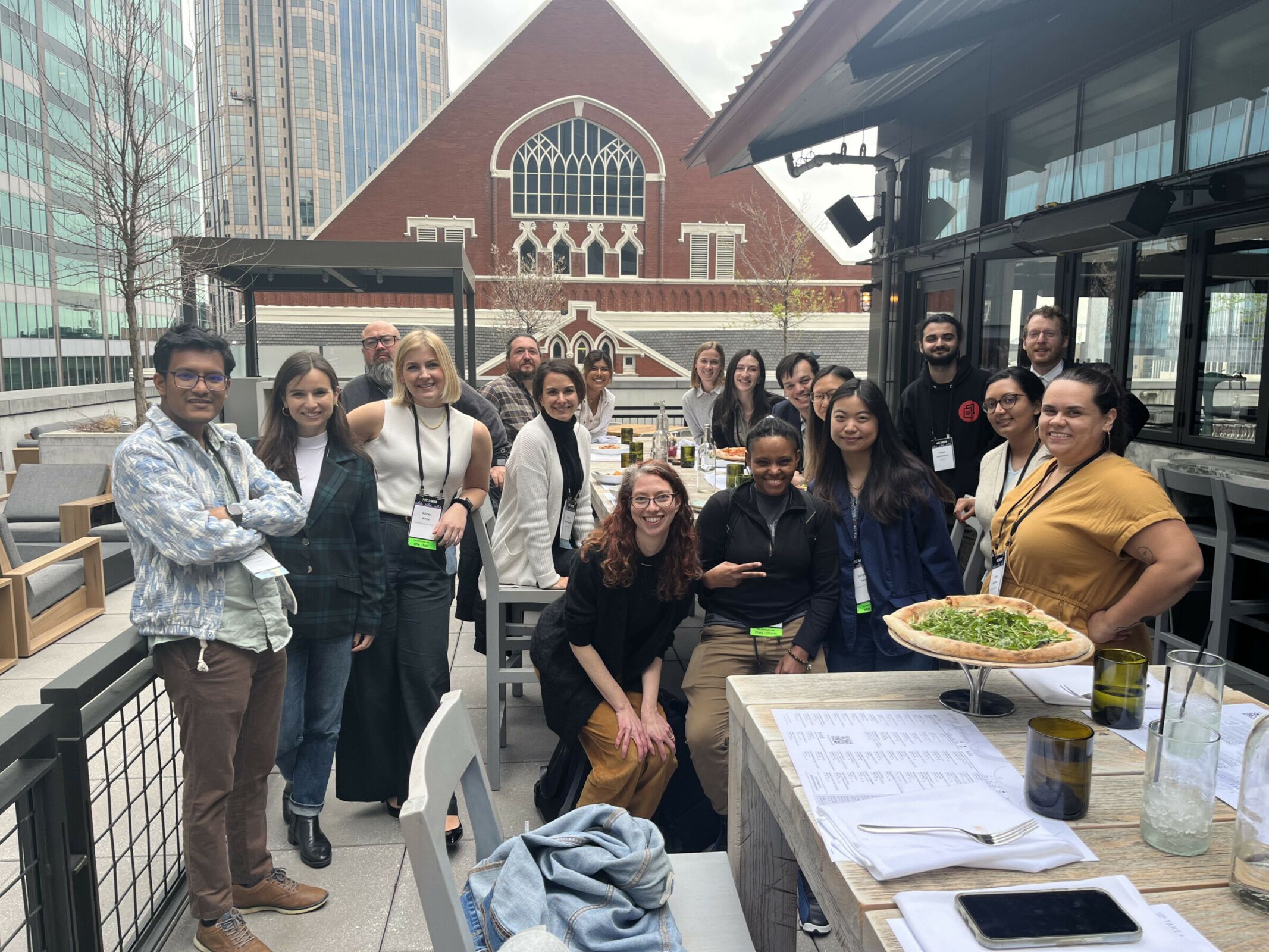
The California Reporting Project made a seminal early and ongoing contribution to the Police Records Access Project.
The California Reporting Project made a seminal early and ongoing contribution to the Police Records Access Project.
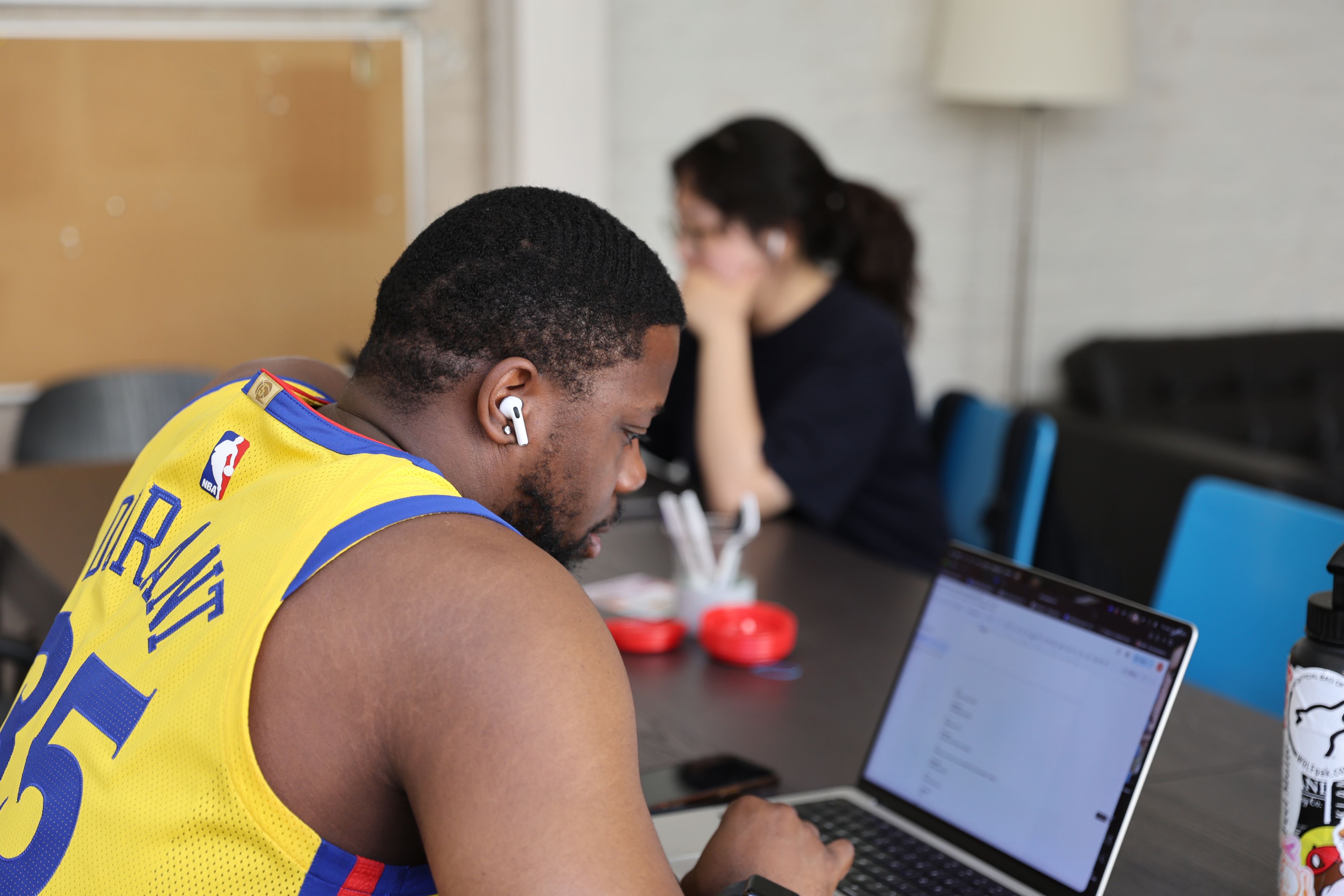
UC Berkeley Journalism and IRP students Marquis Mahone-Chambers ('26) and Hyeyoon Cho ('27) works on stories at the Investigative Reporting Program office.
UC Berkeley Journalism and IRP students Marquis Mahone-Chambers ('26) and Hyeyoon Cho ('27) works on stories at the Investigative Reporting Program office.

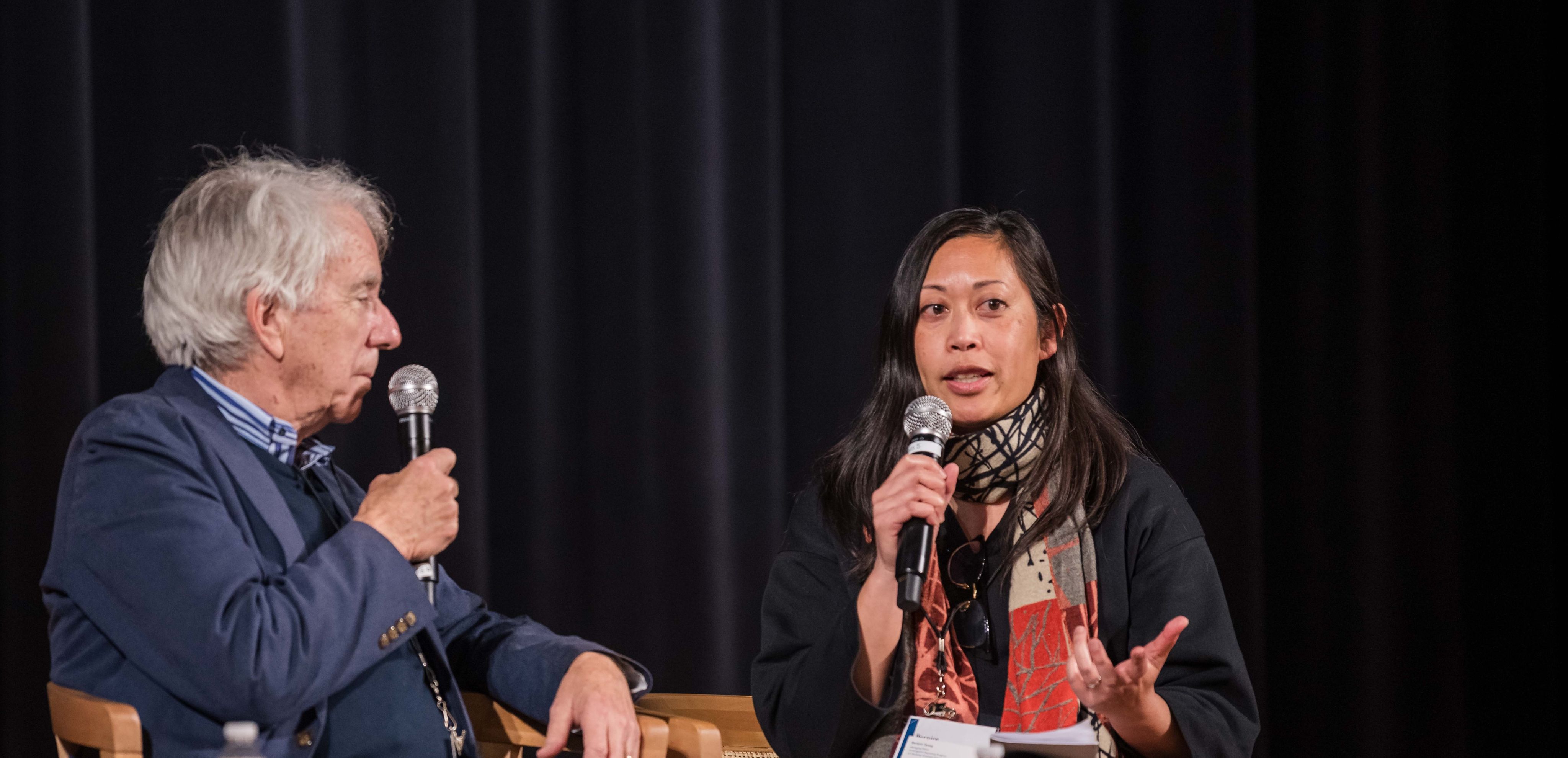
IRP Managing Editor Bernice Yeung conducts an interview on stage at the Logan Symposium in 2025.
IRP Managing Editor Bernice Yeung conducts an interview on stage at the Logan Symposium in 2025.

Honors
- “Right to Remain Secret” was a Pulitzer Prize finalist and winner of the Polk, Goldsmith, and Selden Ring awards. The reporters, Katey Rusch and Casey Smith were also named members of the TIME100 Next, a list published by Time magazine that spotlights rising stars — across business, entertainment, sports, politics, science, health and more — who are shaping the future.
- The IRP also celebrated national recognition for Maria Fernanda Bernal, Richard Tzul and Felicia Alvarez, whose collaborative NPR/Floodlight investigation, “Chevron Owns This City’s News Site,” won the A-Mark Prize and the Arthur E. Rowse Award from the National Press Club. Their reporting revealed how fossil fuel companies infiltrated local news outlets to shape coverage and public perception.
- Editor & Publisher named the IRP a 2025 “Media That Matters” honoree, praising its record of transforming students into working investigative reporters who win awards, hold power accountable and drive reform.
Reva & David Logan Symposium on Investigative Reporting
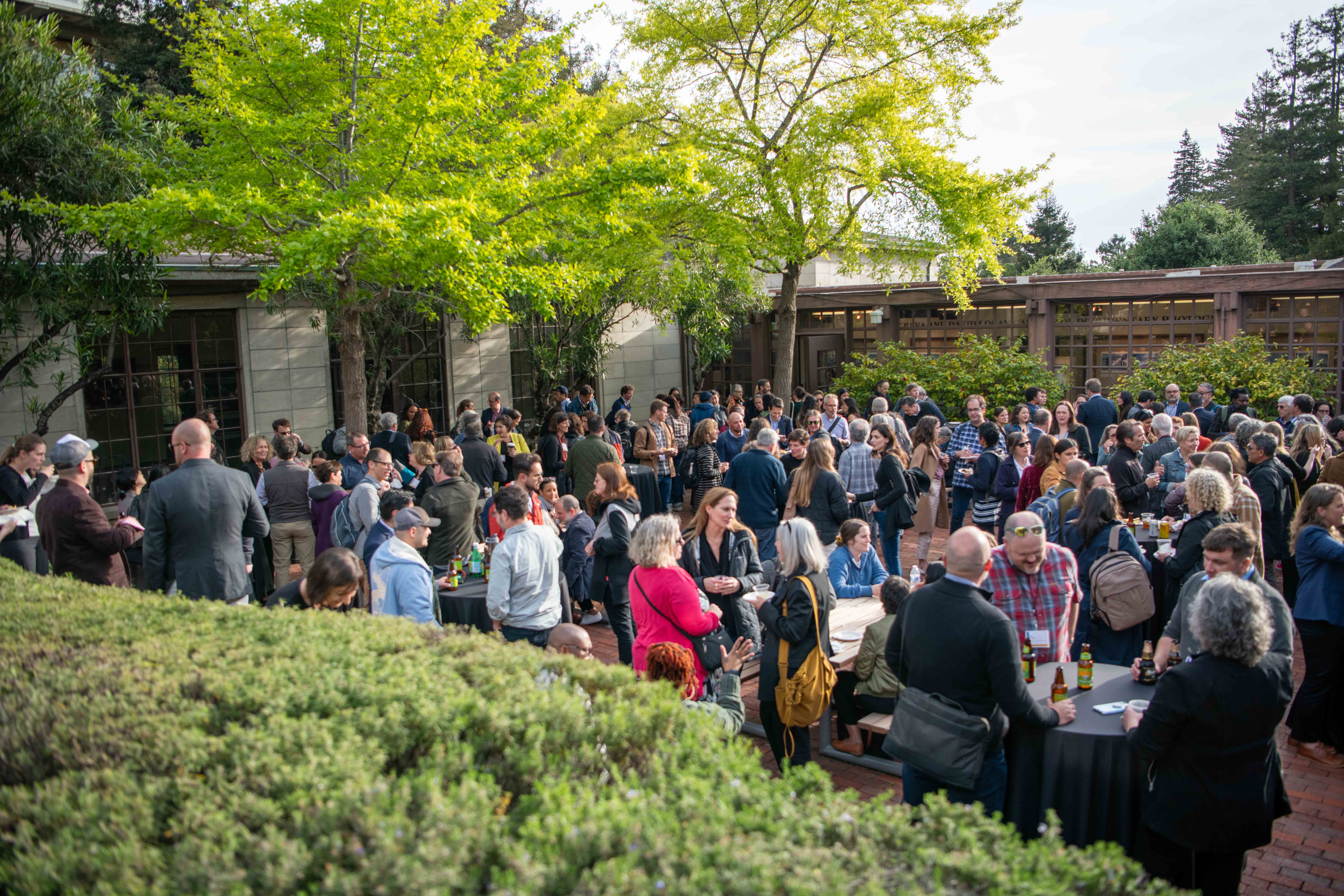
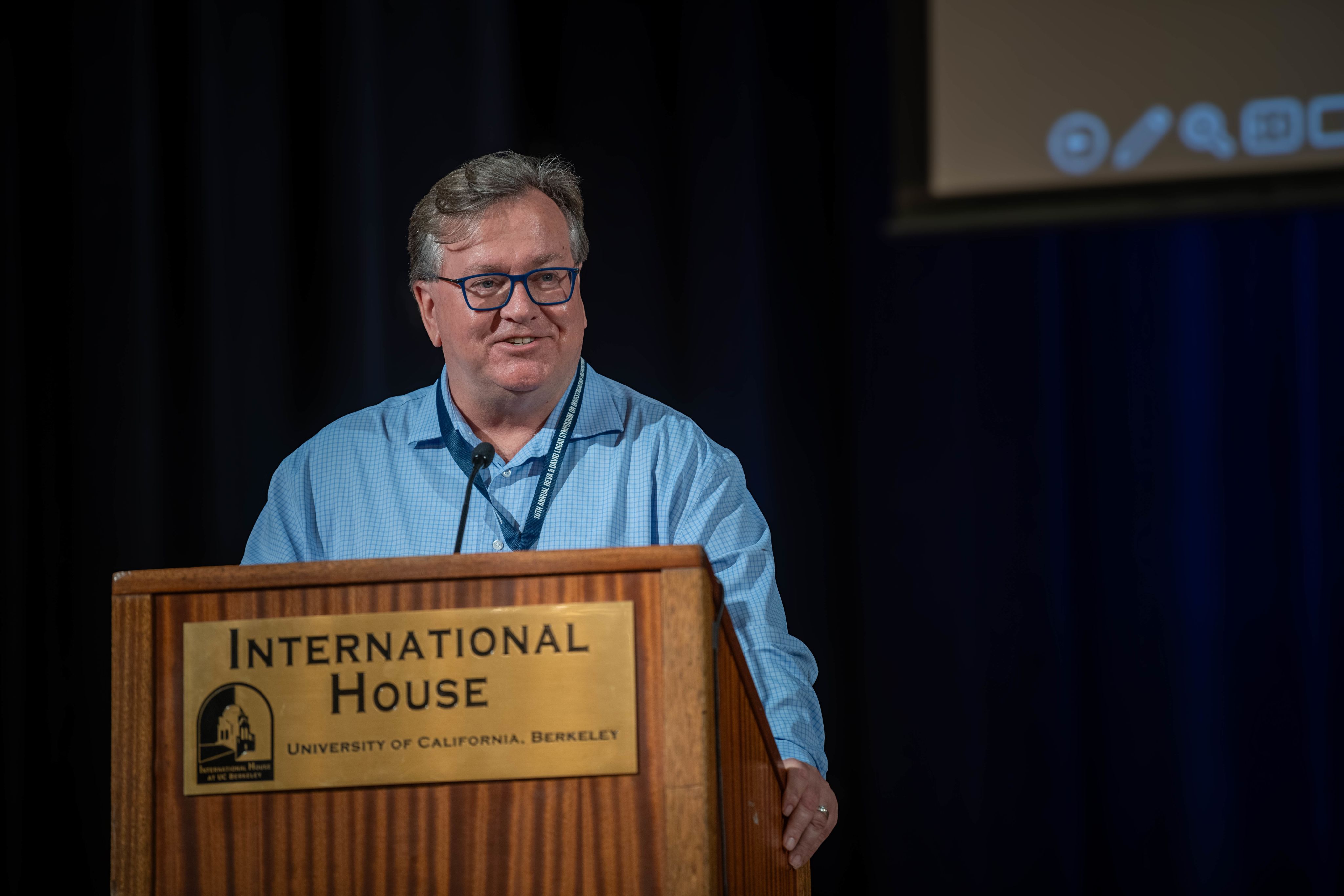
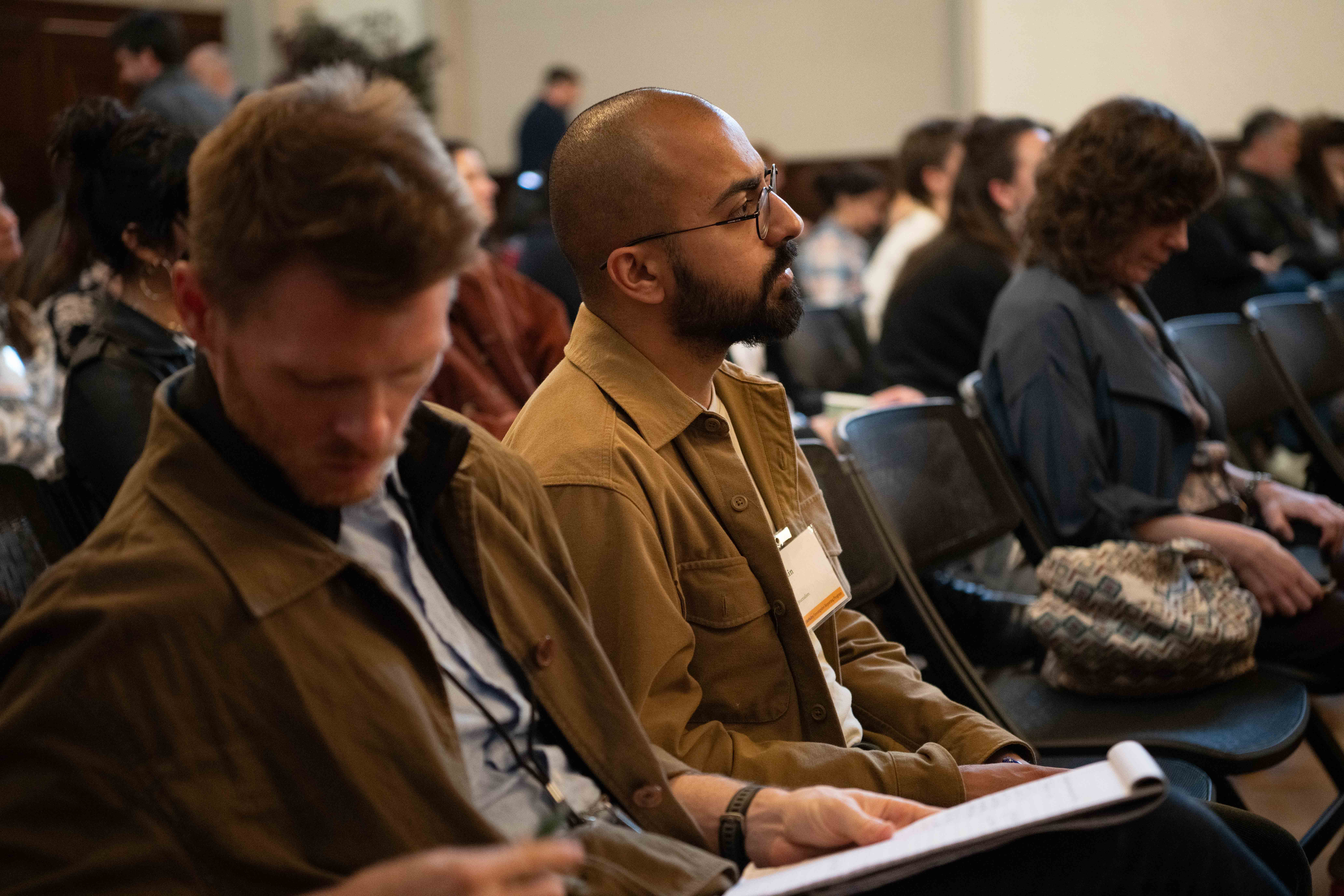
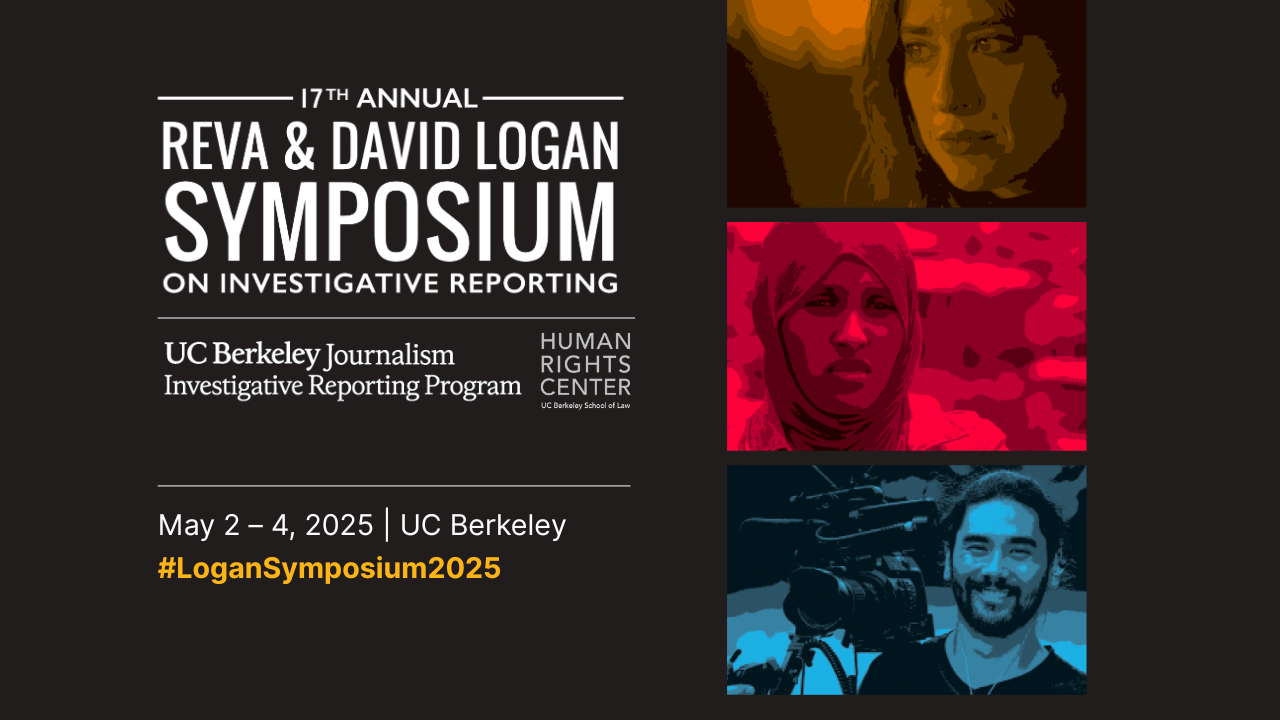
Every spring, the IRP convenes the Reva & David Logan Symposium on Investigative Reporting, a gathering of the nation’s leading journalists, media attorneys, academics and philanthropists. It is a rare space for candor, collaboration and renewal.
In 2025, attendees heard from reporters such as Madeleine Baran (In the Dark) and Kavitha Surana (ProPublica), both of whom went on to win Pulitzer Prizes soon after their appearance.
The symposium remains a reminder that investigative reporting is not only a craft but a community rooted in shared purpose and generosity of spirit.


The IRP Advantage
IRP’s power lies in its approach: immersive mentorship, professional-level investigations and an unflinching belief in the potential of early-career reporters. Students here receive more than classroom training. They enter a working newsroom staffed by veterans from The New York Times, ProPublica The Los Angeles Times and The Philadelphia Inquirer.
They learn to use new tools — such as generative AI or open-source verification — without compromising journalistic rigor. They learn resilience. And they learn to see journalism not only as an act of exposing wrongdoing but also as an act of helping communities and democracy thrive.
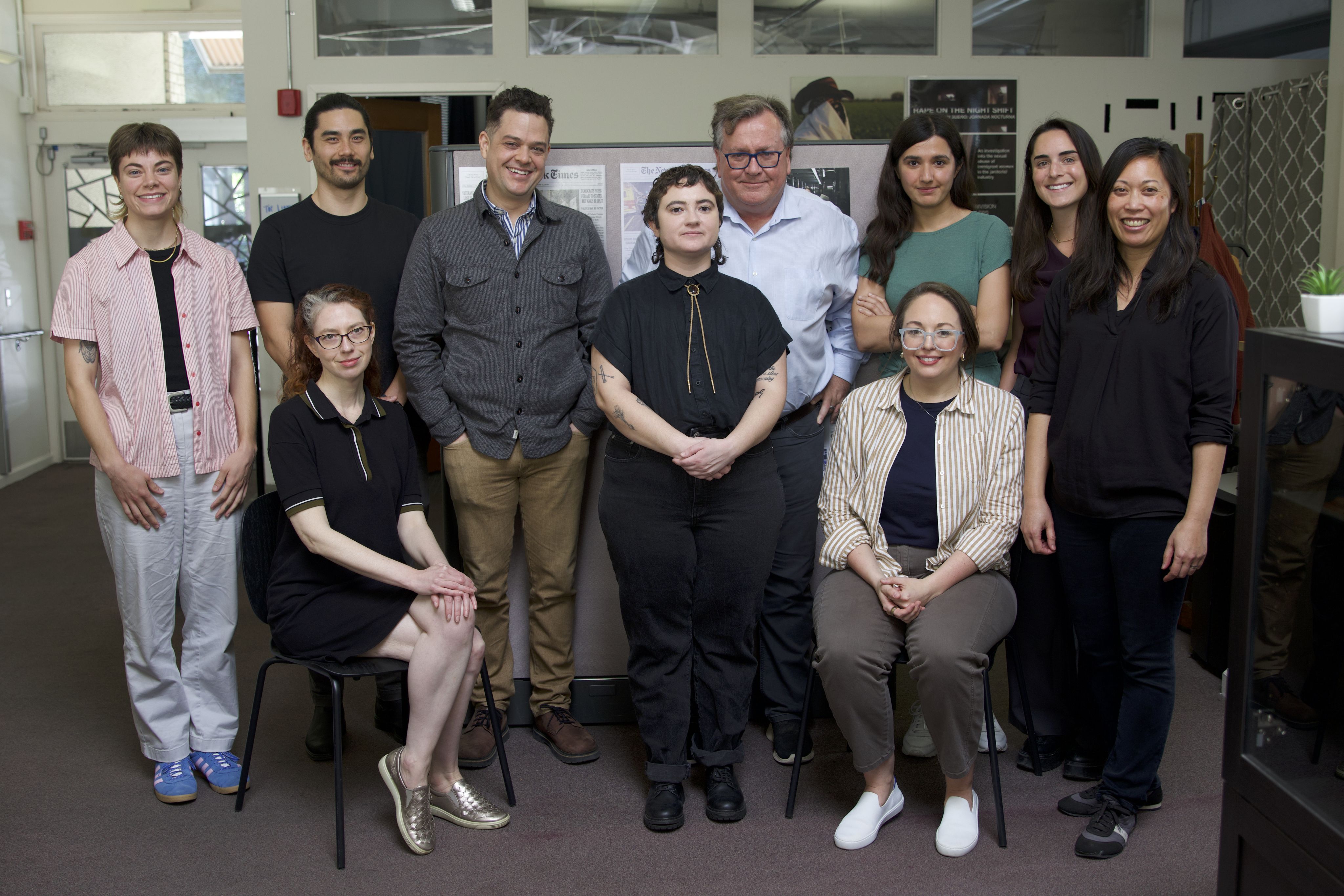
Investigative Reporting Program staff and faculty in 2025.
Investigative Reporting Program staff and faculty in 2025.
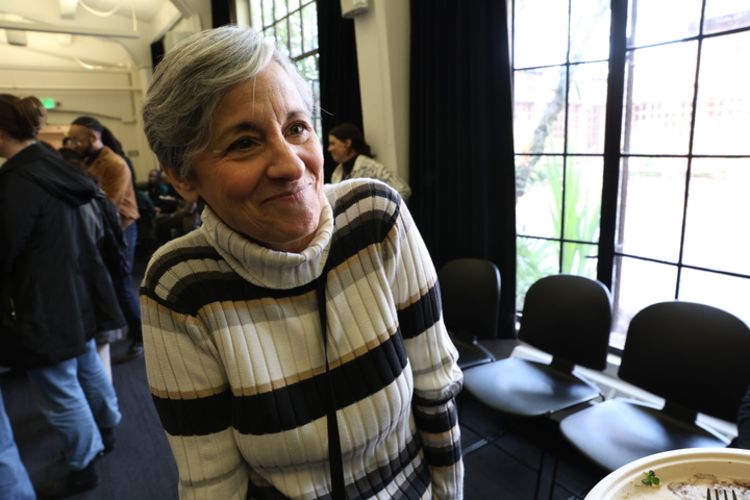
Christine Schiavo, local news editor, who is missing from the IRP group photo.
Christine Schiavo, local news editor, who is missing from the IRP group photo.

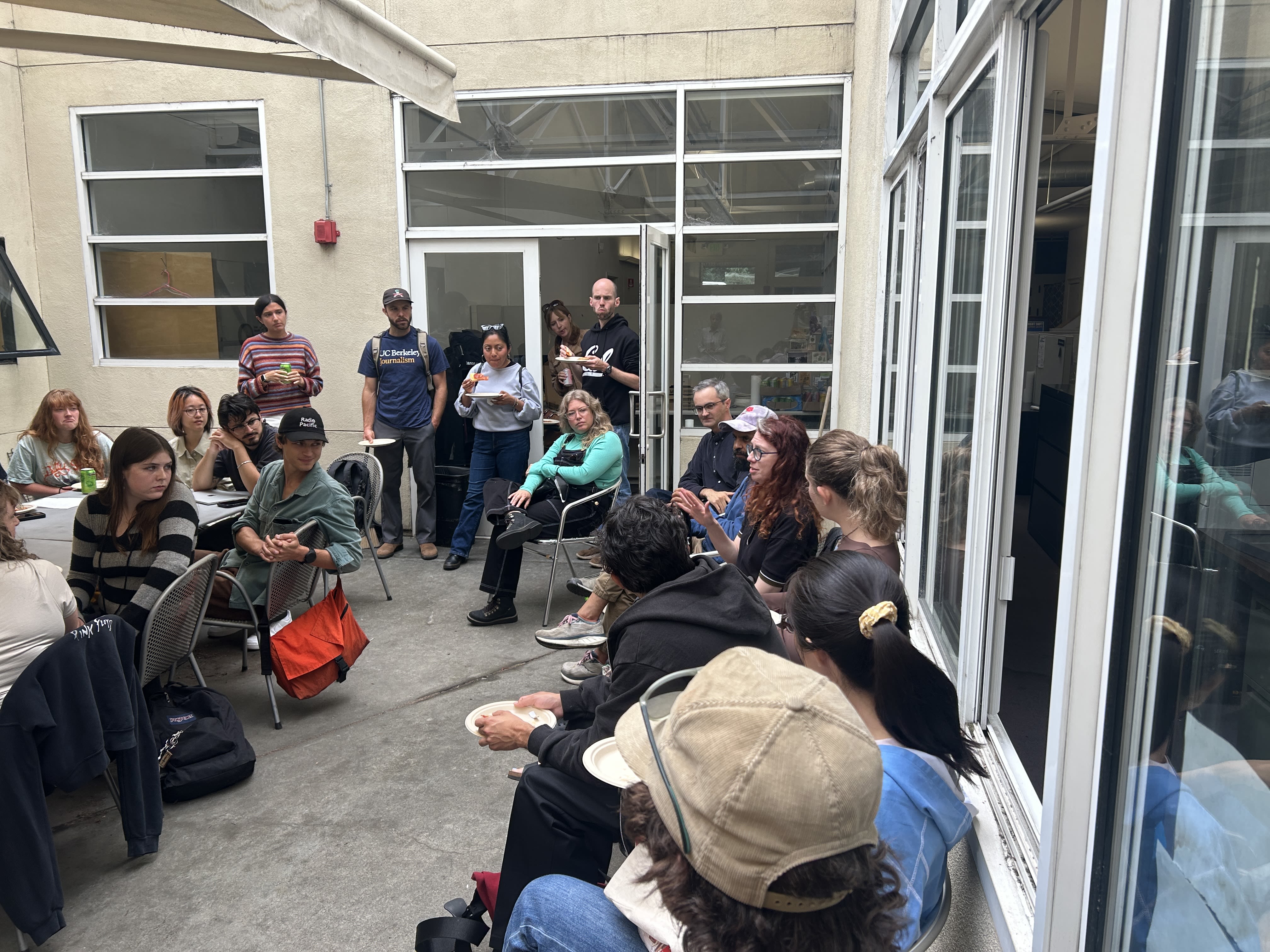
IRP students and staff get together for an info session.
IRP students and staff get together for an info session.
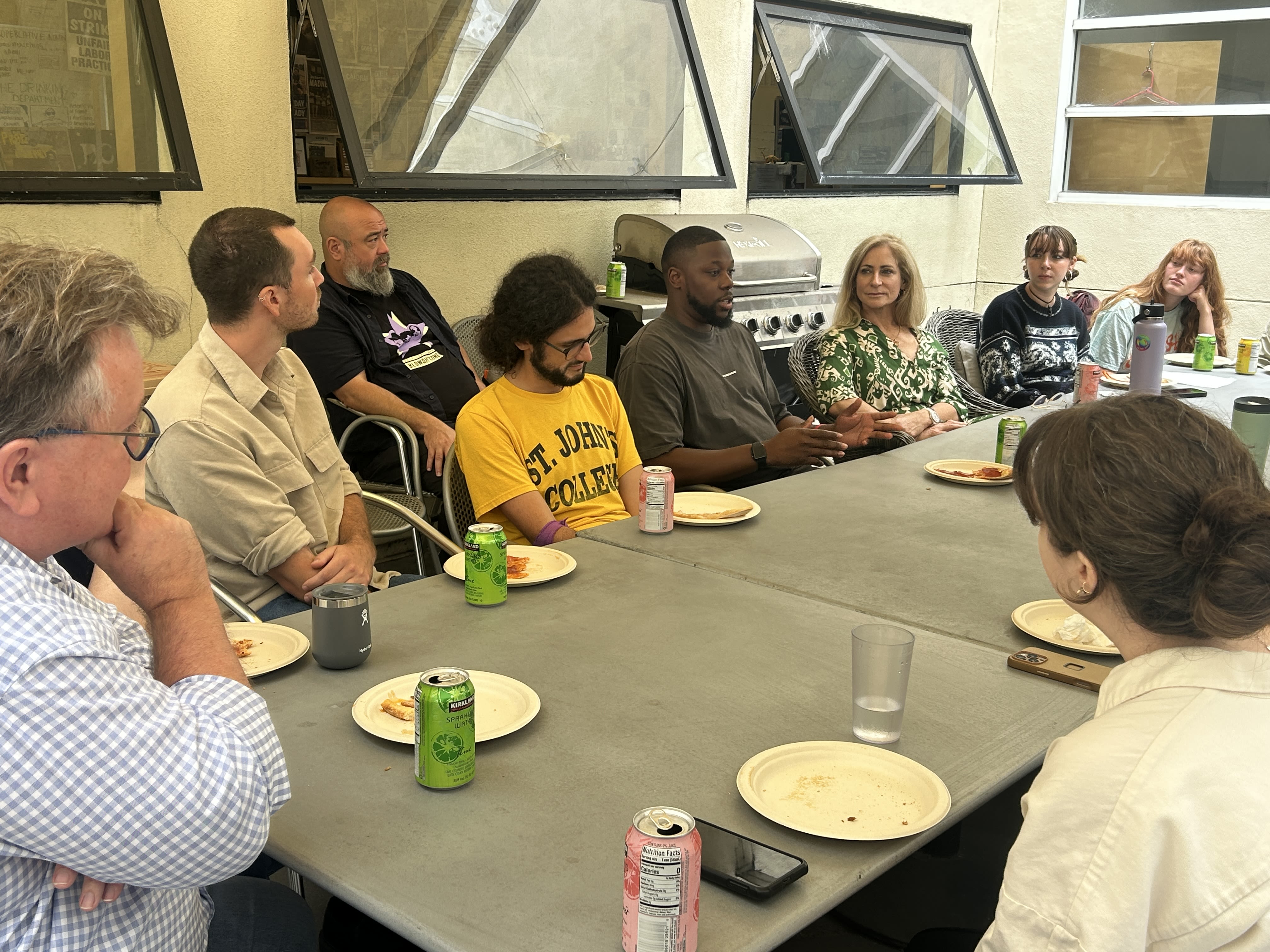
David Barstow and IRP second-year students talk with first year students about the program.
David Barstow and IRP second-year students talk with first year students about the program.
 Built with Shorthand